
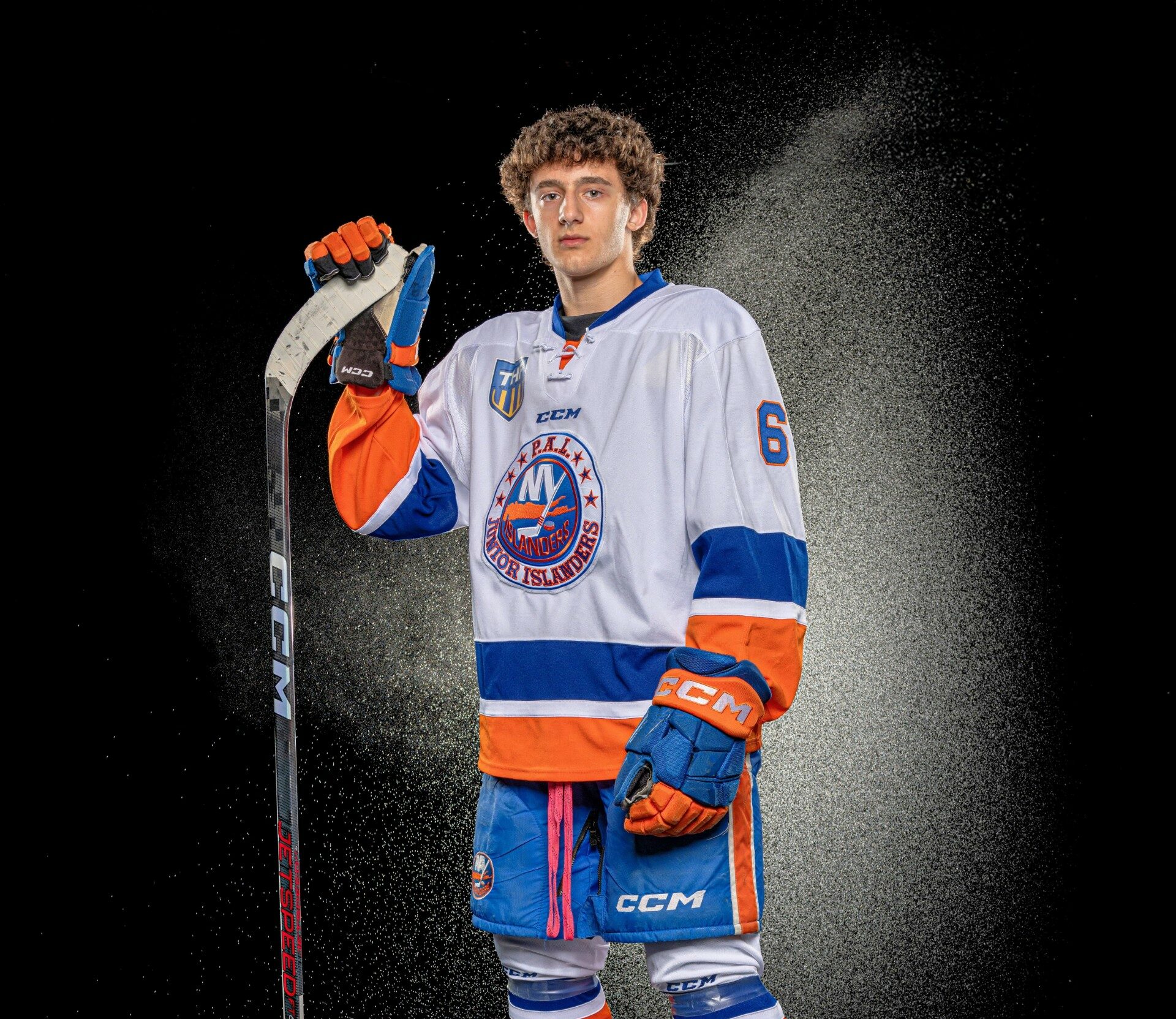
As told by Justin’s mother, Lauren:
“Justin’s experience with blood clots started as back pain after a hockey tournament. We went to the emergency department and were told it was spasms and to follow up with an orthopedic doctor.
Justin was diagnosed with a bulging disk and started physical therapy. In a month, we went to two ERs, an orthopedic specialist, two chiropractors, and a physical therapist to find answers for my healthy, athletic 15-year-old.
By week four, we expressed concern to his strength coach because his legs felt tired, heavy, and swollen. He suggested pushing for another scan and blood work (the hospital never ran blood tests).
We took Justin to the hospital, where scans showed clots that began in his inferior vena cava vein in the abdomen and went down to the knees. He was admitted immediately and started on heparin.
The next three days consisted of three surgeries to save him. But after eight hours into the second surgery, his surgeon said that the clots turned into scar tissue and couldn’t be removed. But after eight more hours in the OR, they were able to remove the majority of the clots.
With no definitive reason why this happened, we went home on enoxaparin shots twice per day. He tested negative for genetic clotting disorders. It’s assumed that the clots were caused by dehydration and the long car ride and turned into scar tissue because they were present for about four weeks. If a simple blood test been done, the clots would’ve been found earlier and wouldn’t have progressed.
Determined to return to the ice, his amazing hematologist agreed to learn from other doctors who work with athletes who have had clots. He looked at the whole child. Without hockey, Justin was susceptible to depression and anxiety; a return to normal life was imperative.
After many hours of research, tests, and appointments, Justin returned to the ice three months later, on his 16th birthday.
The timing of his medication is crucial. There are certain protocols that must be followed while playing and taking blood thinners. There is also always a feeling of anxiety when his back hurts or his legs feel tired.
After his diagnosis, I found the National Blood Clot Alliance online. Advocating for your child and yourself is extremely important. Doctors told us he’d never play hockey again, but I knew there were alternatives to that because of NBCA’s website.
My advice is to live your life, but don’t ignore the pain. Also know that this doesn’t define you or what you are capable of.
Find doctors who will listen. Justin’s clots progressed because he was a kid who didn’t fit the criteria. We are forever thankful to his coaches, doctors, and nurses who listened and saved him.
Resources
Athletes and Blood Clots
Know Your Risk
How is DVT Diagnosed?