On the morning of December 21, 2021, Jason and his family were planning to spend the day Christmas shopping—just a simple, joyful day together. Instead, it became the day their lives changed forever.
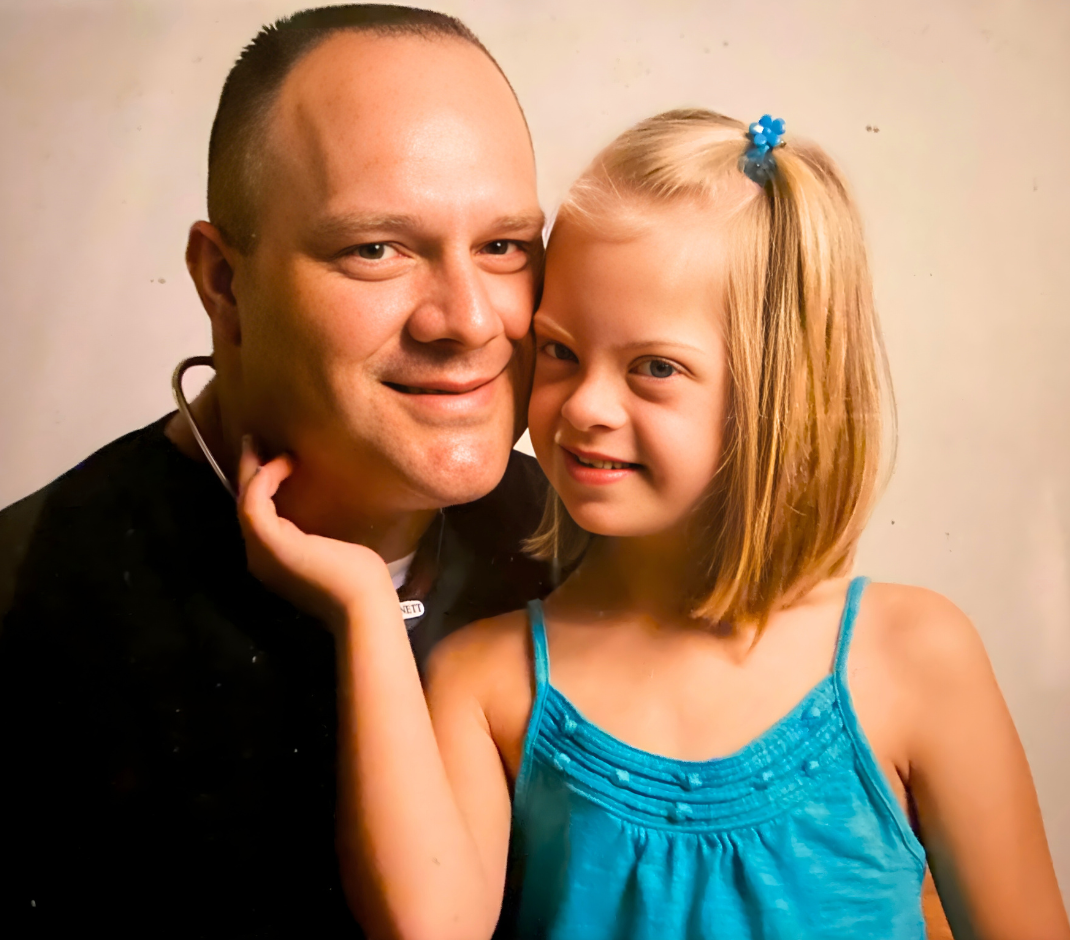
Jason was 50 years old when he passed away unexpectedly. That morning, his youngest daughter found him on the ground. He was conscious but clearly in distress—hot, breathing abnormally, and not himself. Jason insisted he was fine. But something didn’t sit right with her. She called her mom, who immediately sensed the urgency and dialed 911.
Because Jason had previously fainted from dehydration after working outside, the family initially thought this might be something similar—scary, but manageable. When emergency responders arrived, they did not find anything immediately catastrophic. Jason, a former paramedic and registered nurse, was alert and able to clearly describe what he was feeling.
At the hospital, an EKG ruled out a heart attack. But a CT scan revealed the devastating truth: a massive pulmonary embolism—a large blood clot in his lungs. He was rushed to the cath lab in an attempt to break up the clot. Despite every effort, his condition rapidly deteriorated into respiratory failure. CPR was performed, but he could not be revived.
His death was sudden and shocking. He had not complained of warning signs that morning. There had been no dramatic symptoms to prepare his family for what was happening.
In the months that followed, the family searched for answers. Genetic testing revealed that Jason’s wife and all three of his daughters carry Factor V Leiden, a genetic clotting disorder that increases the risk of dangerous blood clots. His wife and two oldest daughters are heterozygous for Factor V Leiden. His youngest daughter is homozygous, meaning she inherited the gene from both parents—confirming that Jason also carried the mutation.
The discovery brought clarity—but also heartbreak. A silent genetic risk factor had likely contributed to the massive pulmonary embolism that took his life.
Jason’s story is a powerful reminder of how quickly and quietly blood clots can strike. Pulmonary embolisms do not always come with obvious warning signs. They can happen to active, capable, knowledgeable people—even healthcare professionals who dedicate their lives to caring for others.
And Jason was exactly that kind of person.
He loved deeply and freely. He was goofy, compassionate, hardworking, and selfless. He made everyone feel welcome and accepted, striking up conversations with strangers because he genuinely cared about people. He loved God first, his family second, and his friends and his profession close behind. As a nurse, he cared for patients, families, and colleagues wholeheartedly, bringing both skill and heart to his work.
His legacy now carries a message:
Be aware of the reality of blood clots—even when symptoms seem minor or unclear. Know your family history. Consider testing for genetic clotting disorders like Factor V Leiden, especially if there is a history of clotting events. Don’t live in fear—but stay observant and proactive about your health.
And most of all, love your family and friends selflessly. Tell them you love them. You never know when the last time you see them might be.
Through sharing Jason’s story, his family hopes to raise awareness, encourage conversations about genetic risk factors, and help prevent other families from experiencing the same sudden loss.
Resources
Factor V Leiden: Information for Patients and Families