There Are Moments That Divide Your Life Into a Before and an After
I’ve only heard the words “pulmonary embolism” a handful of times in my life.
It was a term really reserved for the unthinkable — the kind of thing that happens to other people, not me or my loved ones.
February 2nd
On February 2nd, I underwent a planned cardiac ablation surgery.
I assumed I was recovering as expected — walking, working, cooking, attending a Super Bowl party.
10 days later, I noticed shortness of breath, chest tightness, and a dry cough.
I called my cardiologist when I couldn’t walk .3 miles on my lunch break — but truly thought I was being dramatic.
A cancelled appointment that day opened up a spot for me to get an echo, where my doctor confirmed heart inflammation, prescribed a medication, and sent me home.
30 minutes later, while walking into my birthday celebration dinner, he called to tell me to get to the ER.
Hours Before My 27th Birthday
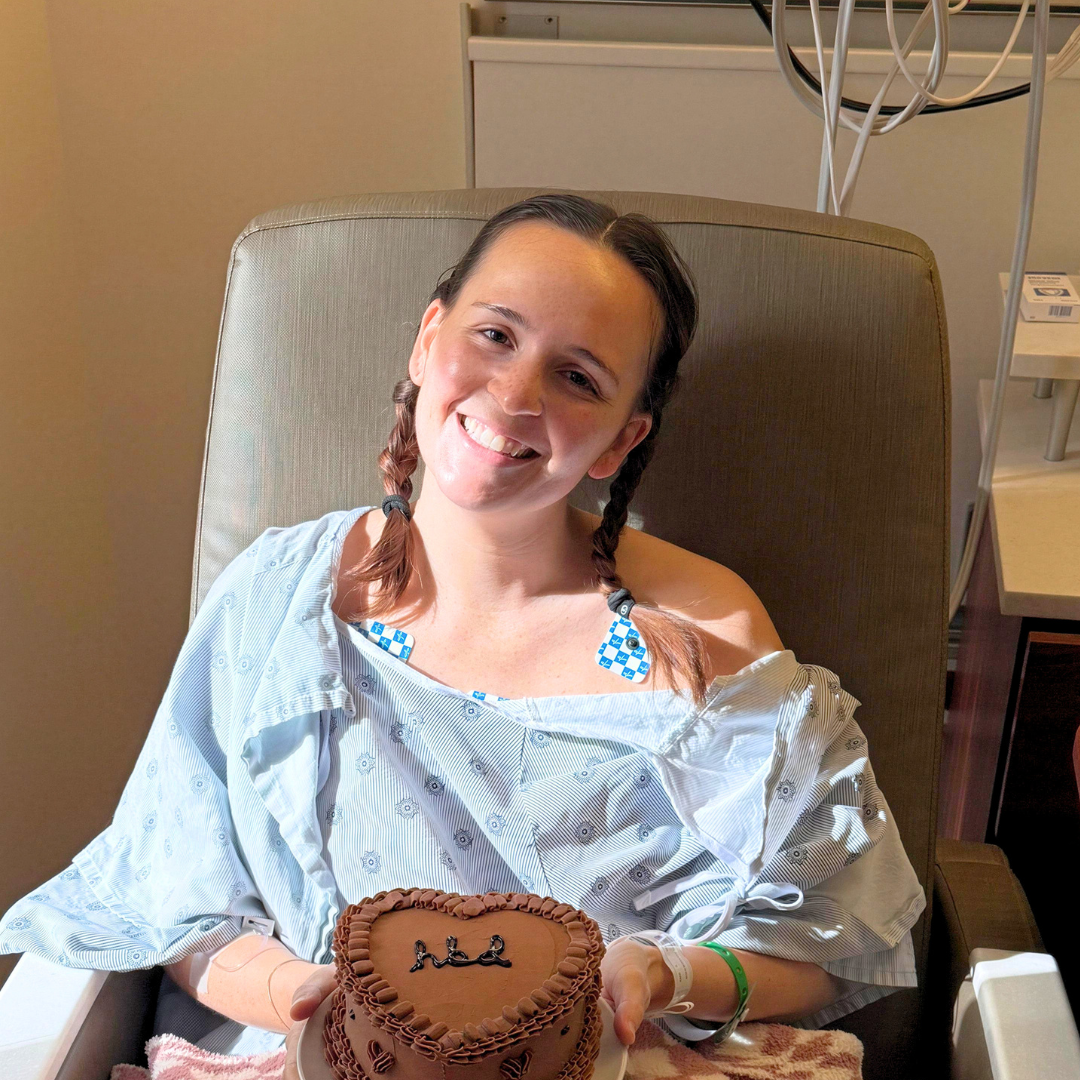
On Friday, February 13th — hours before my 27th birthday — I was told I had multiple sizable pulmonary embolisms.
My tricuspid valve was leaking and there was severe stress on my heart.
Being asked who my power of attorney was after being wheeled up to the ICU is an unexplainable feeling.
The Thrombectomy
A few days after being admitted, I underwent a thrombectomy procedure — where I was awake as doctors manually removed the clots from my lungs.
It was the scariest and most out of control feeling I’ve ever experienced.
17 Days Later
17 days after the thrombectomy, my right leg felt achy and sore in the quad and calf — like I had maybe pulled a muscle or was recovering from an intense workout.
I knew something was wrong when the ultrasound tech repeatedly scanned my leg.
A new DVT was confirmed.
Life After
Surviving a blood clot changes the way you live in your own body.
It has brought a heavy medical anxiety I’ve never known, where every phantom pain or unfamiliar sensation triggers fear.
But it has also brought clarity: life is precious. The trivial things no longer matter.
It was the “perfect storm.” The reality is that blood clots are really an imperfect science — symptoms can look different person to person.
I’ve learned that you are your best and only advocate for your body, and that trusting your instincts when something feels wrong can save your life.
Since my experience, I’ve changed providers and prioritized finding medical professionals who take my concerns seriously.
What I Want Others to Know
There are moments that completely divide your life into a before and an after.
My experience is that moment for me.
To know your risk factors and to advocate for your own body.
If something feels wrong — don’t ignore it.