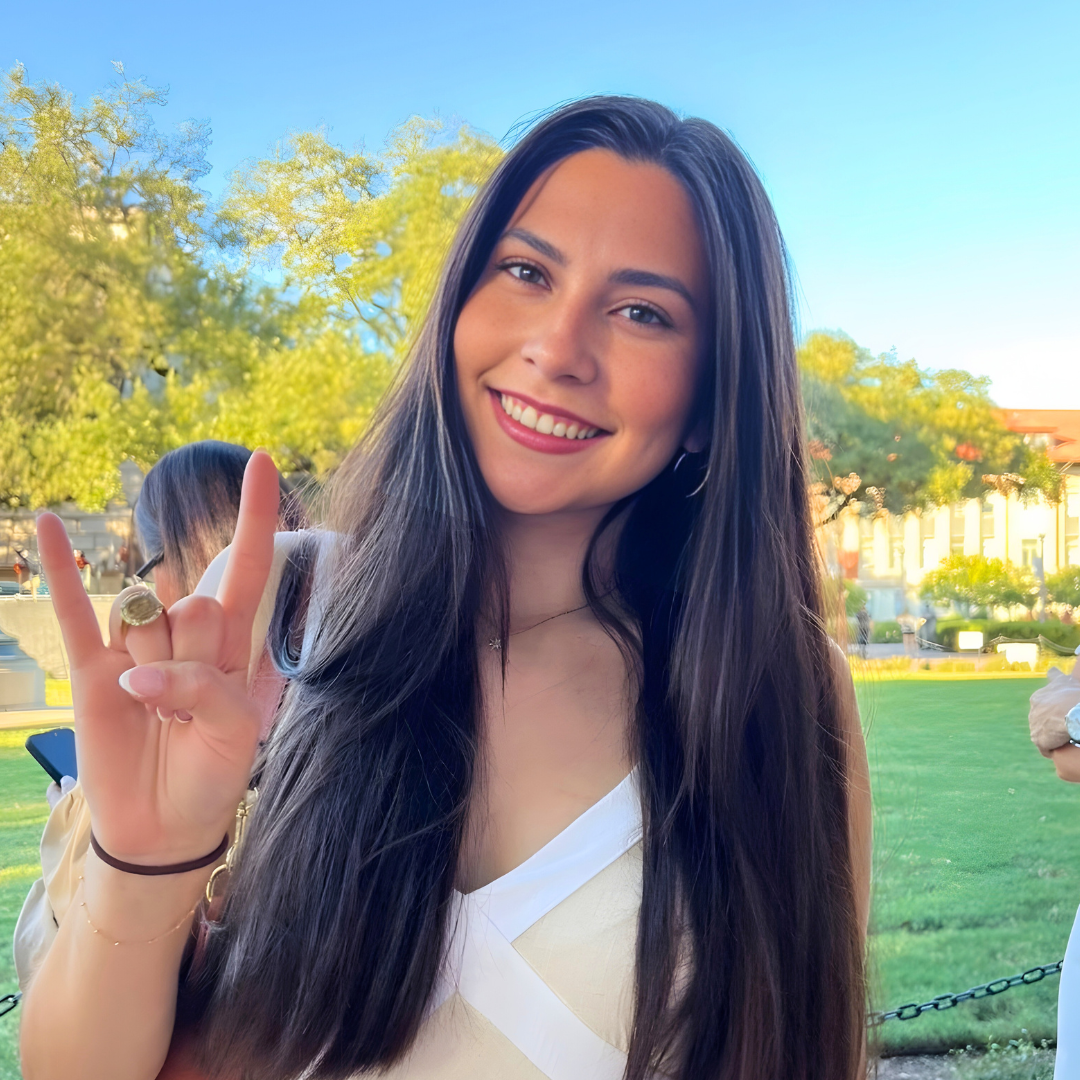
Around a month after my 18th birthday, I was driving with a friend when I suddenly felt an intense, unfamiliar pain in my left arm. The best way I could describe it was like a severe charley horse. I mentioned it out loud, but the pain faded quickly, and I brushed it off as nothing serious.
The next day at work, I noticed my left arm looked slightly purple and felt unusually stiff to the touch. That was the moment I realized something might be wrong, though I still tried to convince myself it would pass. I carried that worry with me until the following day, when I felt a lump in my armpit and knew I couldn’t ignore what my body was telling me any longer.
I called my primary care physician, who thankfully listened to my concerns and acted quickly. That same day, I underwent a duplex venous ultrasound of my upper left arm and received a diagnosis that changed my life: a deep vein thrombosis (DVT) caused by thrombophilia. I was immediately prescribed rivaroxaban and referred to a hematologist for further evaluation.
Additional testing revealed that I have heterozygous Factor V Leiden, a genetic condition that increases the risk of blood clots. Until my diagnosis, no one in my family knew this condition was present. My mother had given birth to four children without complications, unaware that she also carries the mutation. After my diagnosis, my three older sisters were tested, and one of them was found to be positive as well. During her pregnancies, she has since been prescribed enoxaparin as a precaution.
Just a few months later, I started college and had to learn how to navigate this new reality largely on my own. Being an otherwise healthy 18-year-old facing a serious medical condition was overwhelming. I found myself asking difficult questions: Had I done something wrong? What if I hadn’t gone to the doctor? What if my concerns had been dismissed?
Looking back, I am incredibly grateful for the physicians who listened to me and took swift action during one of the most frightening moments of my life.
Today, I am off blood thinners and living a normal college life. My hematologist believes the clot has since turned into scar tissue and no longer requires treatment. While my life has mostly returned to normal, my experience has changed how I relate to my health. I stay active, eat well, and listen closely to my body. If I notice changes, I take them seriously and seek medical guidance right away.
Through this journey, I have learned how important awareness and education are when it comes to blood clots. I enjoy sharing my story to help others recognize the signs and symptoms and often recommend the National Blood Clot Alliance (NBCA) as a trusted resource for understanding blood clots and knowing when to seek help.
The most important lesson I’ve learned is this: listen to your body—we know it better than we think. If something feels wrong, speak up and advocate for yourself. And above all, remember that you did nothing wrong. Blood clots can happen to anyone, and it is not your fault.
Resources
What are the signs and symptoms of a blood clot?