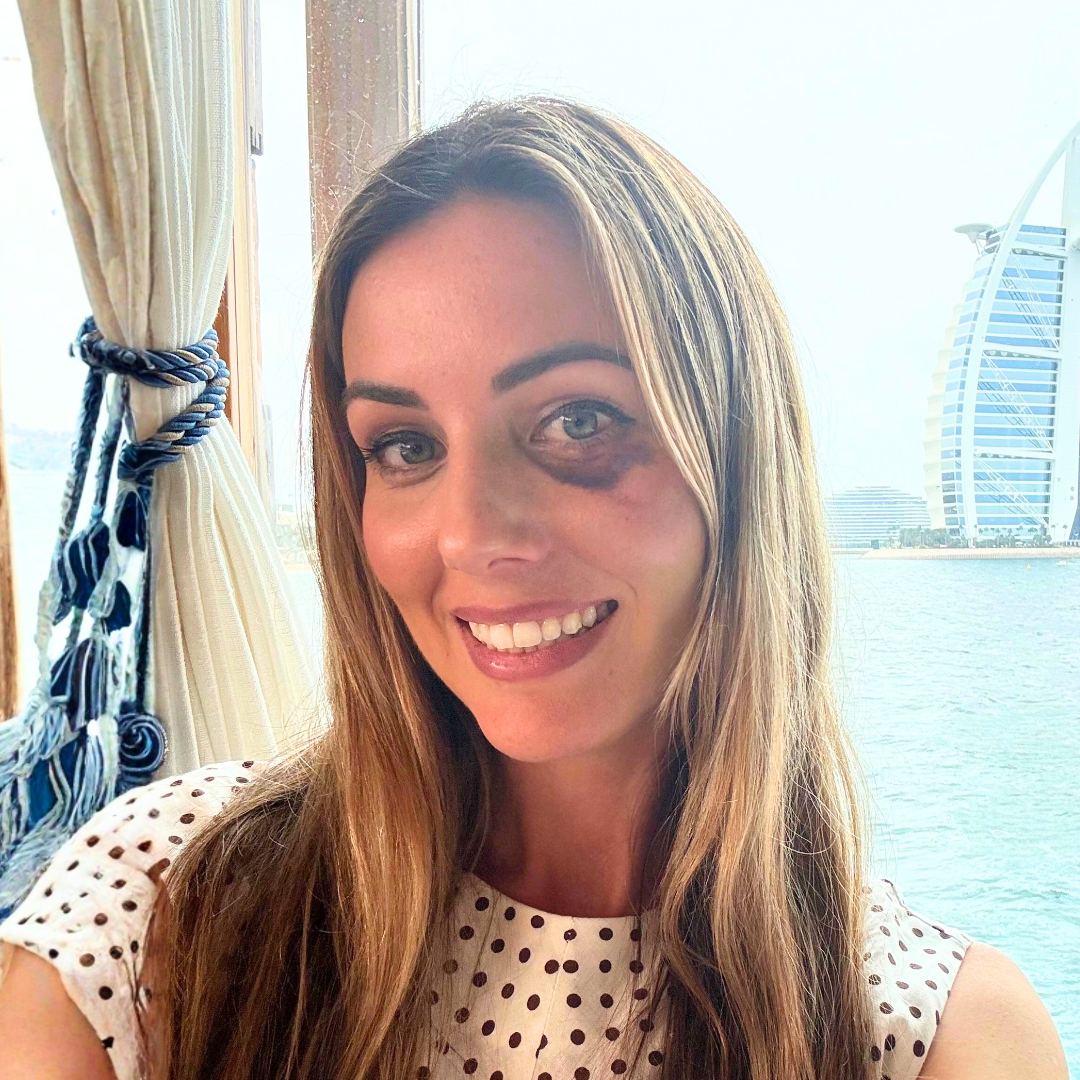
In February last year, at 33 years old, I experienced what my cardiologist later called a “catastrophic medical event.”
I was traveling solo on a long-haul flight from Toronto to Dubai, on my way to meet friends. Seated in economy class, in the window seat and about 10.5 hours into the flight — after sleeping most of the way — I got up for the first time to use the restroom. While waiting for the restroom, I felt a deep, unfamiliar pain in my chest, coughed three times, and then lost consciousness. I collapsed in the aisle and went into cardiac arrest caused by a massive bilateral saddle pulmonary embolism. I was unconscious for 5–6 minutes, according to a flight attendant I still keep in touch with, and experienced what I can only describe as a near-death experience.
An incredible doctor on board responded immediately, while the flight crew administered oxygen and cared for me for the remaining 2.5 hours of the flight. Upon landing in Dubai, I was held at the airport for about three hours for medical checks, including drug testing and immigration processing, before being rushed to the hospital. At the hospital, after blood tests and a CTPA scan, I was told I had a massive bilateral saddle pulmonary embolism and needed immediate treatment. I was given clot-busting medication and admitted to the cardiac ICU for six days. I was very scared and didn’t fully understand what was happening. I was later told it was a miracle I survived, given the delay in treatment.
In the days leading up to this, I had zero symptoms. The consensus is that a DVT formed during the flight and moved up to my lungs when I finally stood up. I had also been wearing medical-grade compression tights for the first time, thinking I was preventing what’s often called “economy class syndrome.” My cardiologist later explained that prolonged immobility was likely the biggest factor, and that improperly fitted compression garments may not have helped circulation the way I intended. My life has changed in both visible and invisible ways. I no longer drink or use estrogen-containing birth control. My near-death experience was deeply profound and changed how I see life. I don’t take time or everyday moments for granted. I’ve learned how many factors can increase blood clot risk, including estrogen use and long periods of immobility during travel. What’s often called “economy class syndrome” is real, and movement during long journeys is critical. Take your body seriously. If something feels off, don’t dismiss it. On long journeys, get up every 1–2 hours, stay hydrated, and choose an aisle seat so it’s easier to move. These small habits can truly save your life.
Resources: