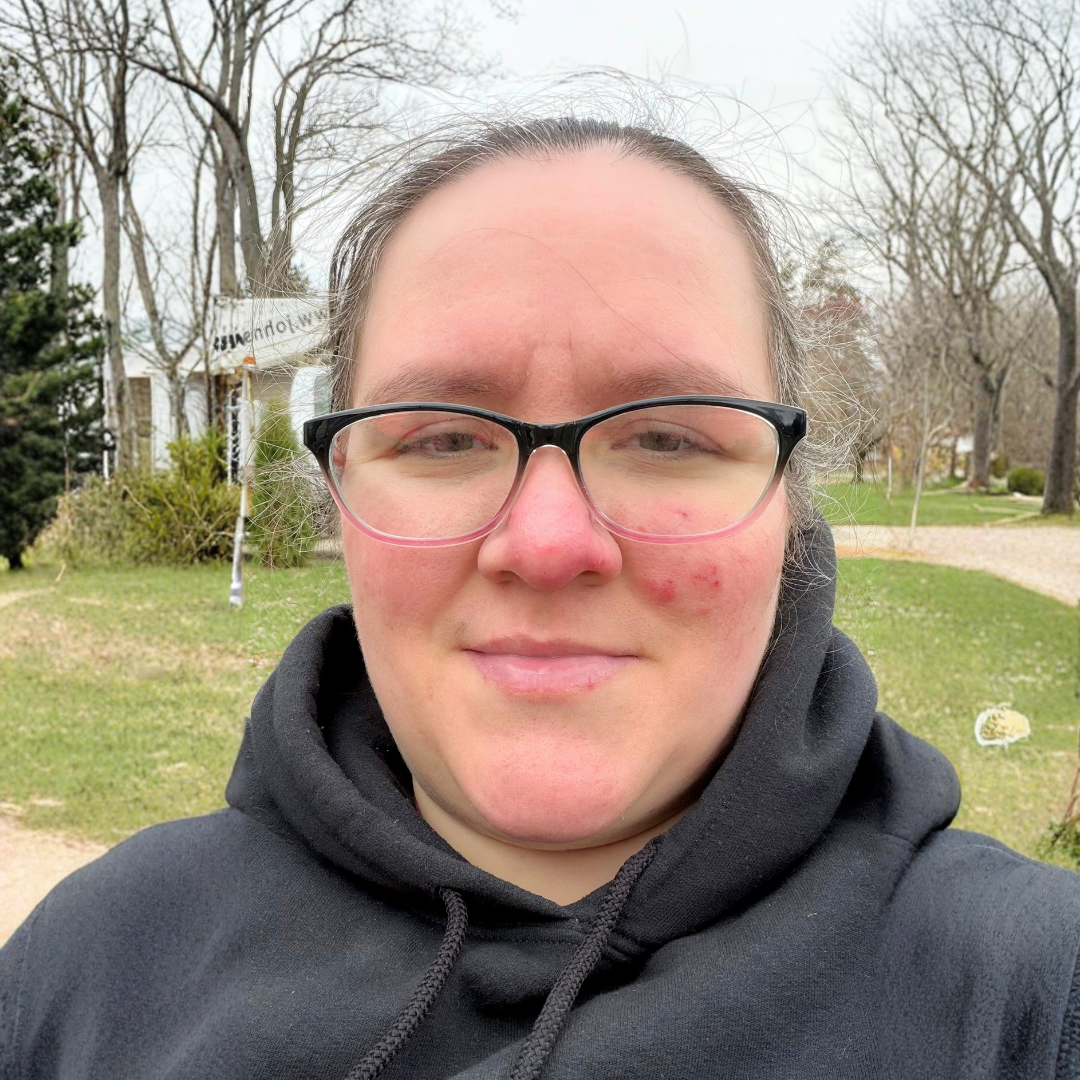
I am sharing my story to raise awareness about how quickly a blood clot can develop, even after what seems like a routine injury. My pulmonary embolism on February 28, 2024, was provoked by an ankle fracture, and the warning signs were far more subtle than I ever expected.
During my recovery, I assumed the swelling, reduced mobility, and discomfort were normal parts of healing. A day or two before my emergency, I experienced what I believed was a simple “Charley horse” in my leg. I checked for the classic signs of a clot—warmth, redness, swelling—but nothing stood out. I dismissed it as muscle tension from wearing the boot.
Shortly afterward, everything changed.
I suddenly became short of breath, unable to take a full breath in. I did not know that a clot had formed in my leg and traveled to my lungs, becoming a saddle pulmonary embolism—a life‑threatening blockage affecting both pulmonary arteries.
When I arrived at the hospital, the situation became urgent. I was taken for an emergency thrombectomy to remove the clots. During the procedure, I felt the moment blood flow returned to my lungs. It was a surreal and unforgettable sensation—an immediate awareness that I had been much closer to losing my life than I realized.
Surviving a pulmonary embolism is not only a physical recovery but an emotional one. It changes how you view your body, your health, and the fragility of everyday life. I am still learning how to process the experience, but I am grateful to be here and to be healing.
I am sharing my story because blood clots can occur after something as common as an ankle fracture, and early symptoms can be easy to overlook. If my experience encourages even one person to take their symptoms seriously or helps another survivor feel understood, then telling it is worthwhile.