Cerebral Venous Sinus Thrombosis (CVST): Symptoms, Causes, Treatment & Recovery
Cerebral Venous Sinus Thrombosis (CVST)
Medically reviewed by Dana Angelini, MD, Cleveland Clinic — May 11, 2026
Download the Resource PDF: CVST Symptoms, Causes, Treatment & Recovery
What Is CVST?
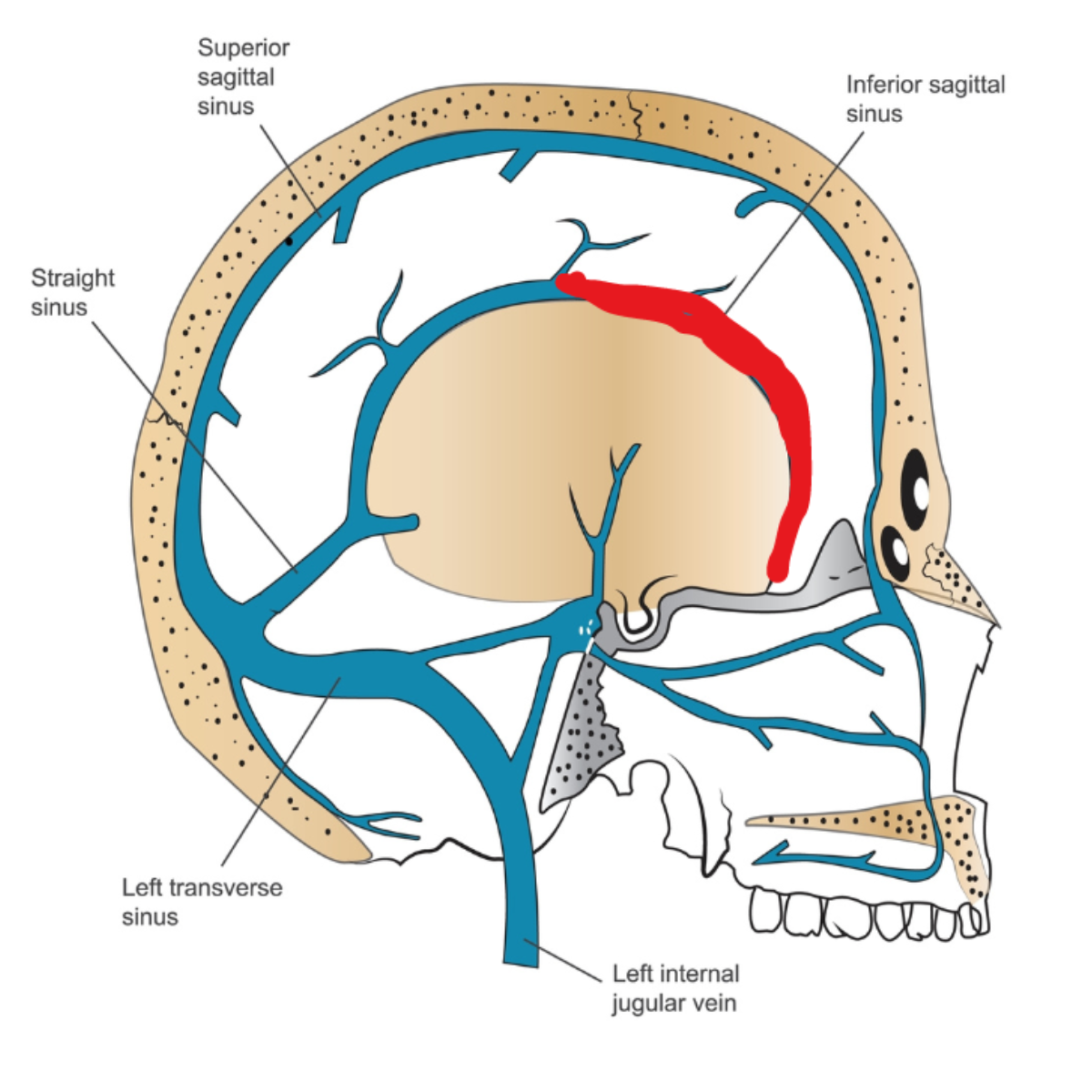
Cerebral venous sinus thrombosis (CVST) is a rare but serious type of blood clot that forms in the brain’s veins, which help drain blood from the brain back to the heart. When a clot blocks these veins, it can lead to increased pressure in the brain, swelling, brain tissue injury, or bleeding.
Symptoms of CVST
CVST symptoms can vary from person to person, depending on the size of the clot and how much it interferes with normal blood flow. Symptoms may develop over hours or days. Prompt medical evaluation is critical.
Common symptoms include:
- Severe headache (present in up to 90% of cases)
- Seizures
- Nausea or vomiting
- Blurred vision
- Weakness or numbness, often on one side of the body
- Difficulty speaking or understanding speech
- Loss of consciousness or coma
- Confusion
Who is at Risk for CVST?
CVST occurs more often in women than in men. While CVST can occur at any age — including in infants and children — it is most commonly diagnosed in adults between the ages of 20 and 40.
Risk Factors
Several factors can increase the risk of developing CVST. It’s important to note that CVST can occur even in the absence of these risk factors:
- Hormonal factors: Use of oral contraceptives, pregnancy, and the postpartum period
- Inherited clotting disorders: Such as factor V Leiden, prothrombin G20210A, protein C/S deficiencies, and antithrombin deficiency
- Chronic inflammatory diseases: Including lupus and inflammatory bowel disease
- Infections: Particularly of the ear, face, or neck
- Head trauma or recent neurosurgery
- Dehydration, especially in infants and young children
- Obesity
- Certain cancers
Diagnosis
Early and accurate diagnosis is essential to initiate appropriate treatment and reduce the risk of complications. Diagnosing CVST typically involves:
- Imaging tests: MRI with magnetic resonance venography (MRV) or CT with CT venography (CTV) to visualize blood flow in the brain’s venous system
- Blood tests: To identify clotting disorders or underlying conditions
Treatment
The primary treatment for CVST is anticoagulation therapy (or “blood thinners”) to prevent further clotting and allow the body to dissolve the existing clot. This may include:
- Unfractionated Heparin (UFH): Administered intravenously in the hospital setting
- Low Molecular Weight Heparin (LMWH): Can be self-administered at home via injection
- Warfarin or direct oral anticoagulants (DOACs): Oral medications for long-term management. Typically, IV or subcutaneous anticoagulation is used until the patient is clinically stable prior to a transition to oral blood thinners.
In severe cases, additional interventions may be necessary:
- Thrombolytic therapy: Medications to dissolve clots
- Mechanical thrombectomy: Catheter-based procedure used to remove clots from blocked arteries or veins
- Management of increased intracranial pressure: Including medications or surgical procedures
- Antibiotics: If an infection caused the clot
Treatment duration varies based on individual risk factors and response to therapy.
Outlook
With prompt diagnosis and treatment, many individuals recover fully from CVST. However, some may experience long-term neurological issues, such as persistent headaches, fatigue, vision problems, mood changes including depression and anxiety, or cognitive difficulties.
Regular follow-up with healthcare providers is crucial to monitor recovery and manage any ongoing symptoms.
Prevention
While not all cases of CVST are preventable, certain measures can reduce risk:
- Managing underlying health conditions: Such as clotting disorders or chronic inflammatory diseases
- Staying hydrated, especially during illness or hot weather
- Discussing contraceptive options: With a healthcare provider, particularly if you have other risk factors
- Avoiding smoking, which can increase clotting risk
When to Seek Medical Attention
Seek immediate medical care if you experience:
- A sudden, severe headache
- Seizures
- Sudden weakness or numbness
- Vision changes
- Difficulty speaking or understanding speech
Early intervention can significantly improve outcomes.
Learn More
Learn from the lived experience of others who have experienced CVST. Read CVST patient stories here.
Other Resources
Download the Resource PDF: CVST Symptoms, Causes, Treatment & Recovery